Tool Design
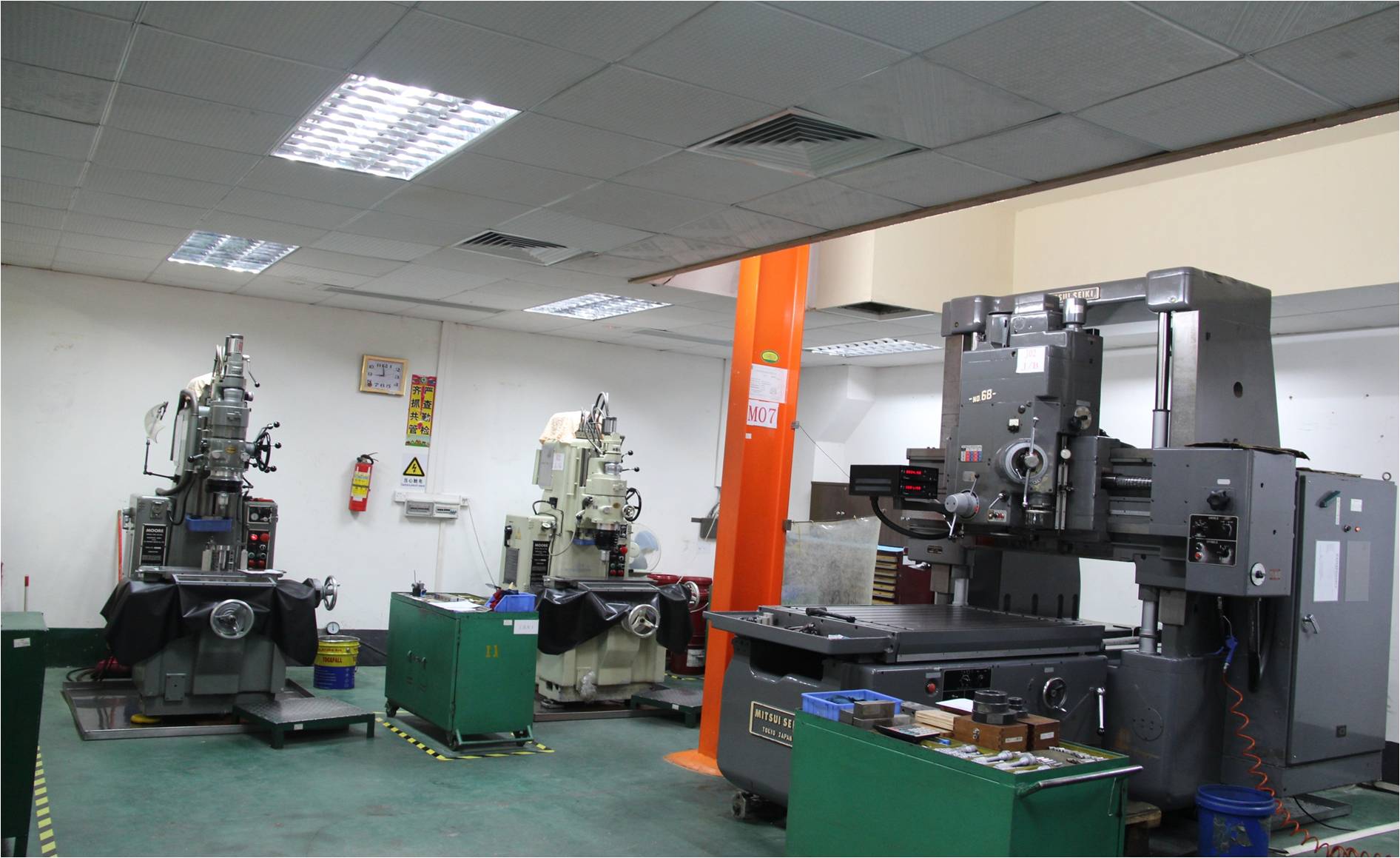
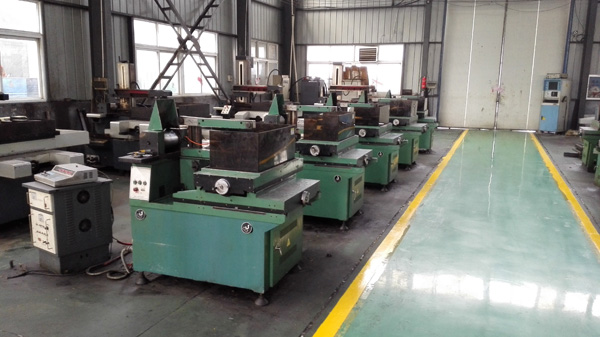
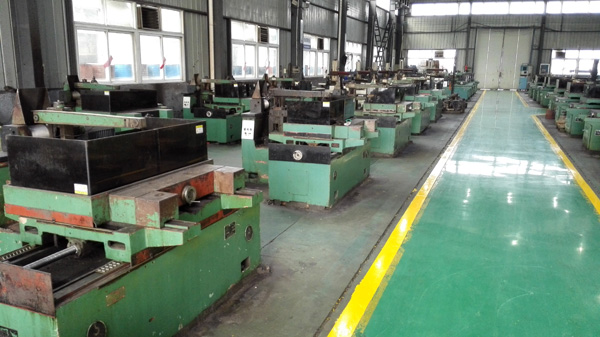
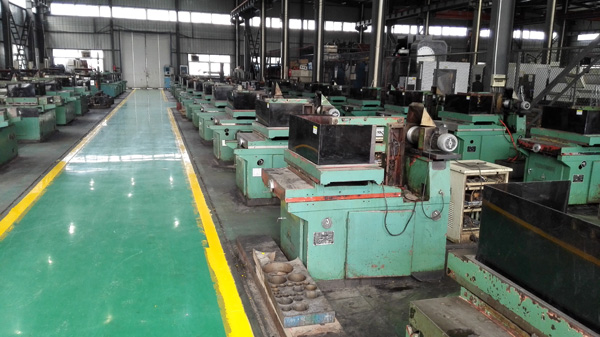
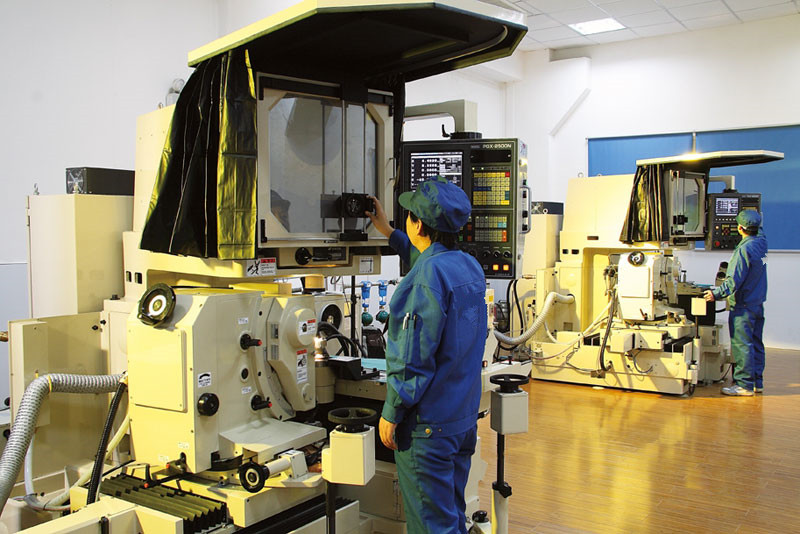
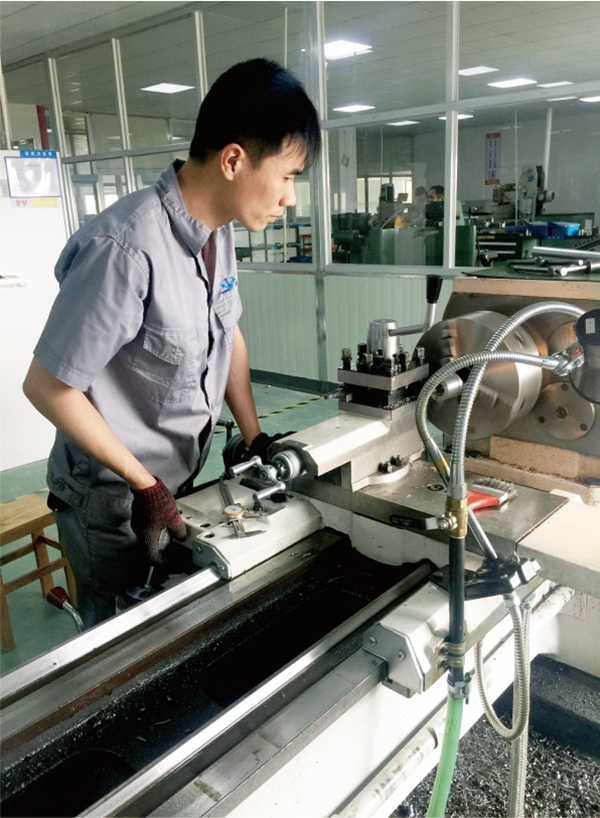
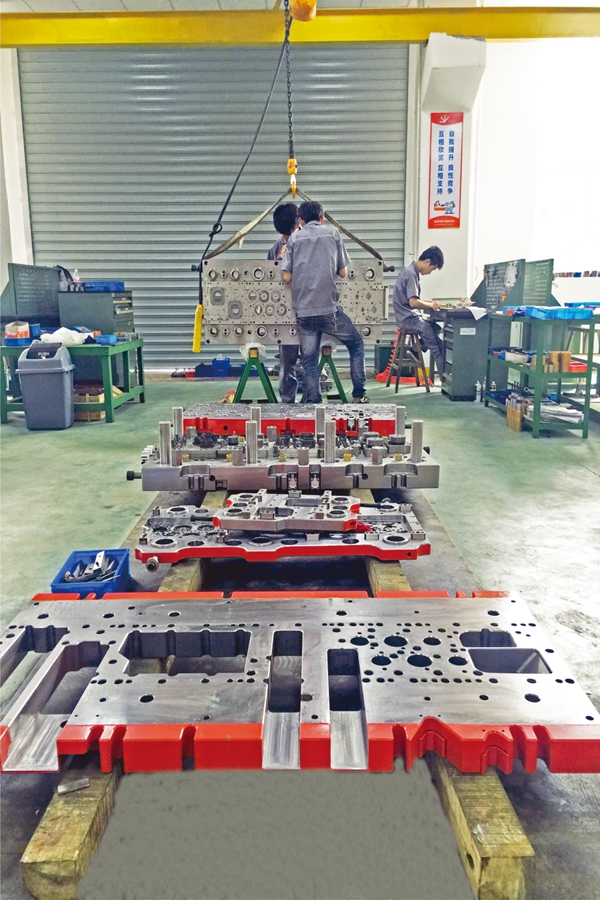
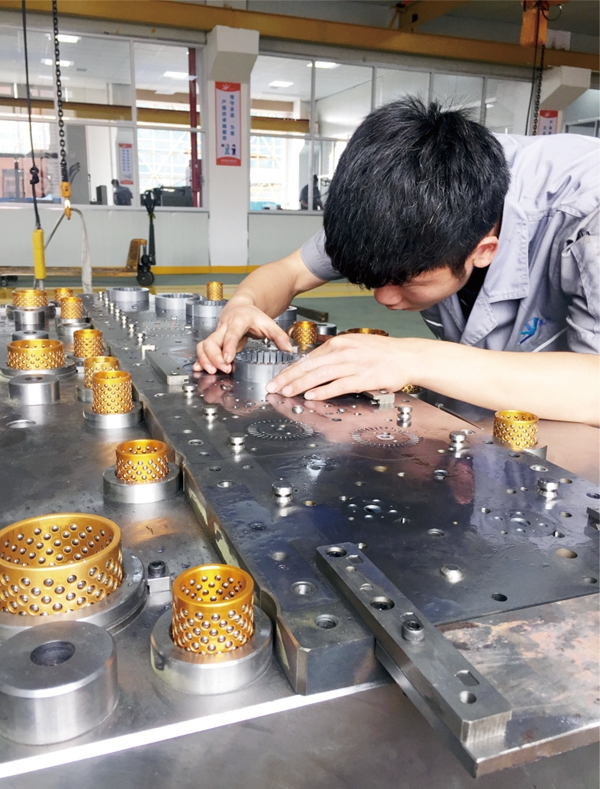
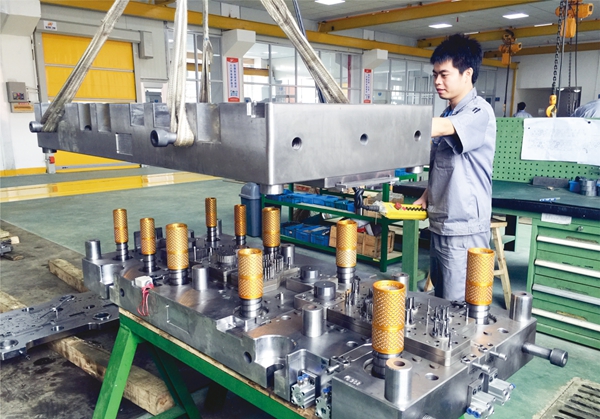
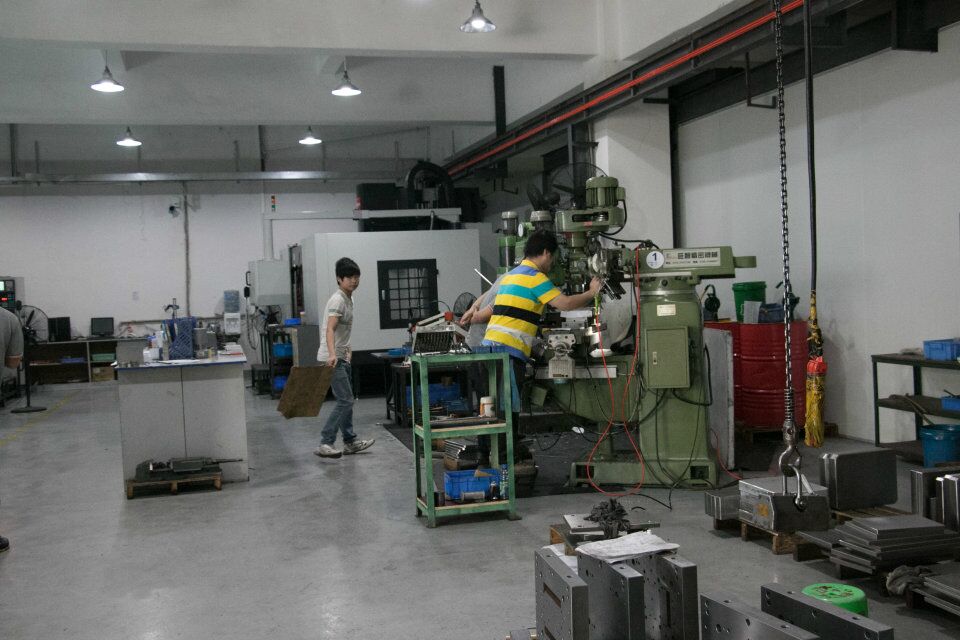
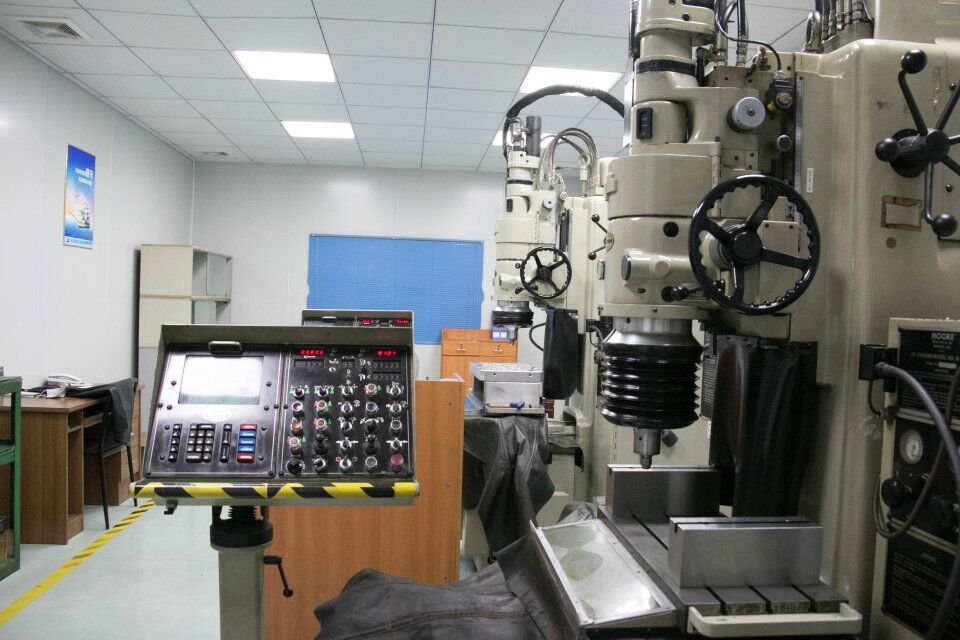
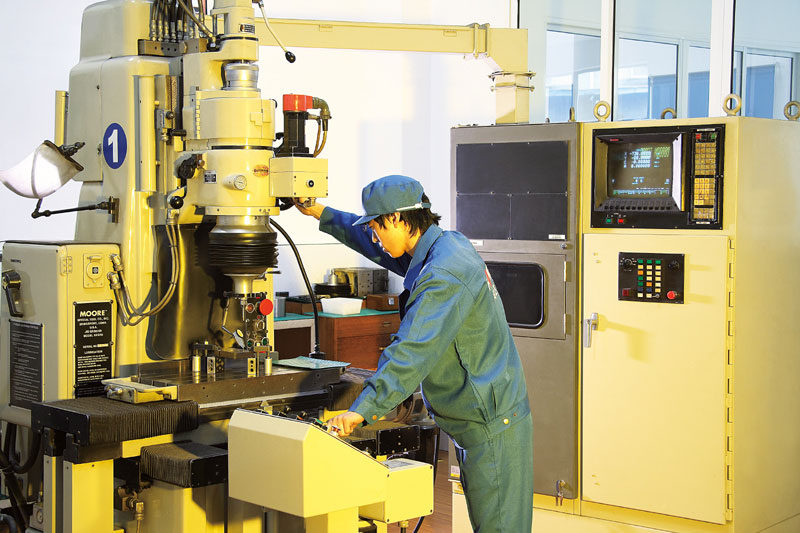
In the tool and die design department of Miaosen, we provide a complete, integrated engineering service covering the entire product development cycle from initial concept analysis to final validated tool design. Our goal is to ensure that every stamping die we develop is not only structurally optimized and cost-efficient, but also fully manufacturable and stable in mass production conditions. By combining advanced simulation technologies, experienced engineering talent, and industry-leading CAD systems, we are able to deliver high-quality tooling solutions that meet the strict requirements of automotive, home appliance, electronics, and industrial manufacturing sectors.
At the early stage of development, our engineers focus on product feasibility analysis and forming process evaluation. We use advanced CAE software, especially AUTOFORM, to simulate the stamping process in detail. Through digital forming simulation, we can accurately predict potential forming risks such as material cracking, wrinkling, thinning, springback, and surface deformation. These simulations allow us to evaluate different process strategies before physical tooling is manufactured, significantly reducing development risks and improving first-time success rates. The AUTOFORM system also enables us to optimize blank shapes, material flow paths, and forming sequences, ensuring a more stable and efficient production process. In addition, simulation reports, visual analysis data, and forming videos are provided to customers to support technical decision-making and design validation.
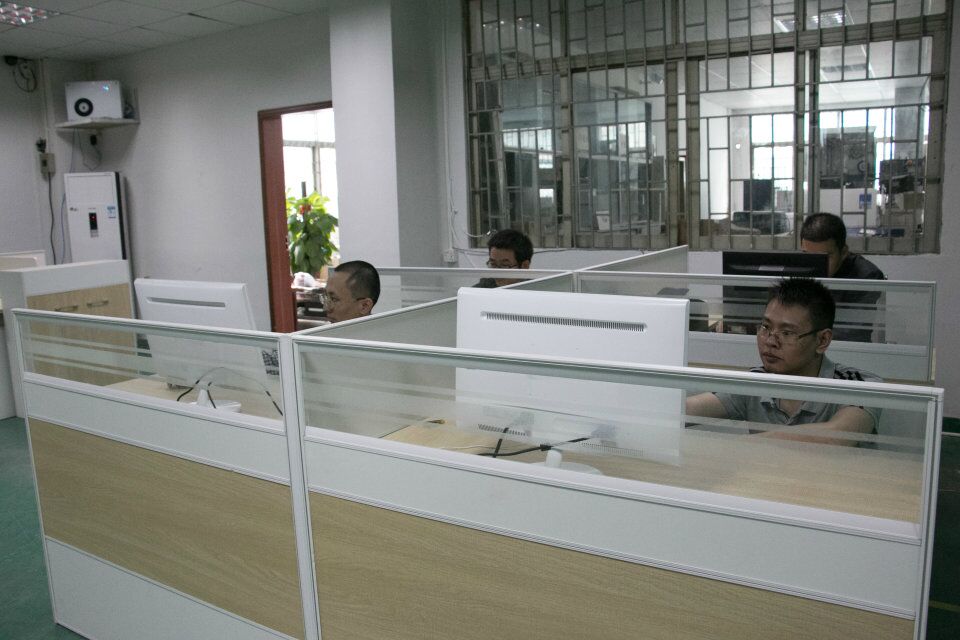
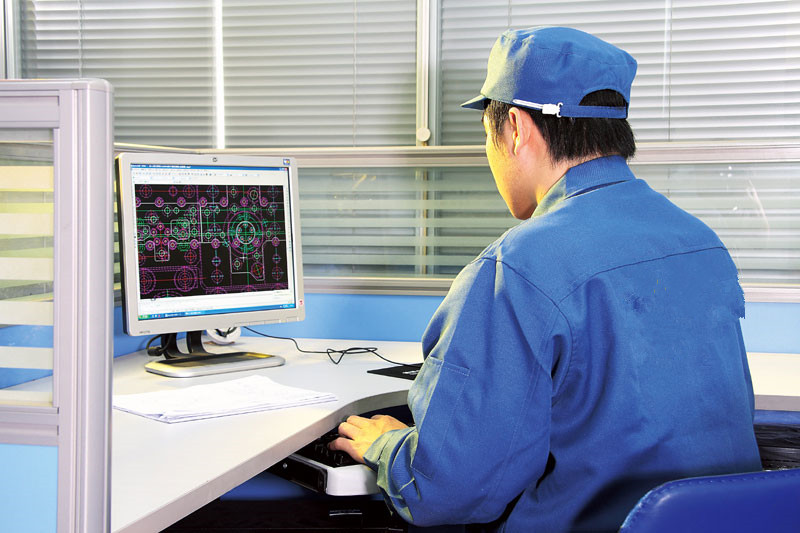
Based on simulation results and customer requirements, our engineering team proceeds with complete tooling structure design. The design department consists of nine experienced designers who specialize in high-precision 3D and 2D die design. They are highly skilled in using industry-standard CAD software such as UG (Unigraphics NX) and CATIA, which are widely recognized in global automotive and industrial engineering fields. These tools allow our designers to develop highly accurate and complex die structures with excellent clarity and precision. From strip layout design, station planning, and die structure configuration to detailed component design, every aspect is carefully engineered to ensure functionality, durability, and manufacturability.
During the design process, our engineers pay close attention to key technical factors such as material thickness variation, forming force distribution, tool wear resistance, and assembly accuracy. Each die set is designed with full consideration of production efficiency, maintenance convenience, and long-term stability. We also implement standardized design procedures and internal review mechanisms to ensure consistency and reduce potential errors. Every design is reviewed through multi-level engineering verification before release to the manufacturing department.
Another important advantage of our design capability is the seamless integration between simulation and CAD modeling. The results from AUTOFORM simulations are directly used to optimize 3D die structures in UG and CATIA, ensuring that theoretical analysis is fully aligned with practical design execution. This integrated workflow significantly improves development efficiency, reduces trial-and-error costs, and shortens lead time from concept to production. It also enhances communication between engineering teams and customers, allowing faster feedback and more accurate technical alignment.
Our design department is also experienced in handling complex and high-precision stamping projects, including automotive structural parts, reinforcement components, chassis systems, appliance panels, and electronic metal housings. These parts often require multi-stage forming processes, high dimensional accuracy, and strict surface quality control. Through years of project experience, our engineers have developed strong expertise in solving challenging forming issues and optimizing die performance for large-scale production environments.
In addition to technical design capability, we emphasize standardization and modular design concepts. By adopting standardized components and proven die structures, we are able to improve production efficiency, reduce maintenance costs, and ensure interchangeability of parts. This approach also enhances reliability and simplifies future modifications or upgrades, providing long-term value to our customers.
Communication and collaboration are also key strengths of our engineering team. From the initial inquiry stage, our designers work closely with customers to understand product requirements, application environments, and production expectations. We provide professional technical suggestions, including material selection, process optimization, and cost reduction strategies. This collaborative approach ensures that the final tooling solution is fully aligned with customer expectations in terms of performance, quality, and budget.
Through continuous improvement and technological advancement, Miaosen’s tool design department remains committed to delivering world-class stamping die solutions. By integrating advanced simulation tools like AUTOFORM, powerful CAD platforms such as UG and CATIA, and a highly skilled engineering team, we are able to provide comprehensive, reliable, and efficient design services that support the success of our customers in highly competitive manufacturing industries worldwide.